

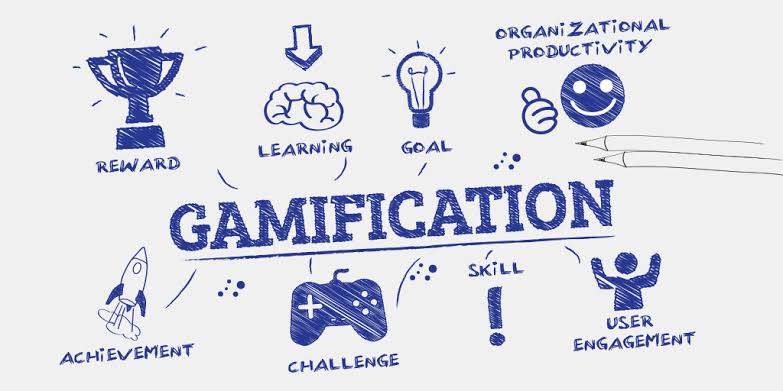
Teaching students can be highly productive and fun for both the teacher and student at the same time by using elements of gamification (gameplay) such as rules, team competition, point-scoring and badges of honour as teaching tools. They can help accelerate your student’s engagement and motivation to learn, leading to increased participation and better academic performance.
Gamification uses badges, leaderboards, or any educational competition or game that accelerates students’ engagement in the classroom and willingness to learn. It helps students develop an immensely positive attitude towards learning and increases their cognitive and social growth while significantly boosting their attention spans.
Using Gamification
To utilize gamification effectively, you can follow these best practices when incorporating it in your school:
- When introducing games that aid learning, it’s essential to consider each student’s learning needs to avoid leaving any child out of the learning process.
- Encourage social interaction amongst your students, as this will boost their interest and engagement level.
- Change the language of your classroom by using phrases like; “embarking on a quest”, “leagues”, “mission”, “team of explorers”, etc.
- Provide rewards and recognitions as incentives to make them work harder and be more engaged. You can use rewards like leadership boards, wall of fame for the week, extra points, special classroom privileges, badges of honour for the week, etc.
- Give opportunities to reflect regarding lessons learnt. You can ask questions like, “What did you learn?”, “What did you do well?”, “How do you think you can do better next time?” These kinds of questions will create an awareness shift from gamification for fun to gamification to boost students’ productivity and learning prowess.
Challenges of Gamification
It is important to remember that if gamification is not controlled correctly, it can defeat the whole purpose of learning as students can get carried away playing instead of learning. This is why teachers have to follow a syllabus or learning direction when using gamification to teach students.
That way, students can have fun and learn at the same time. 95% of the time, this form of learning makes what students learn challenging to forget, as there will always be a link between the fun they had and what lessons they learned as a result. With time, this will boost their academic performance and positively reflect on the teacher and the school.
To get started on gamifiying your students’ experiences, sign up at Gradely.
Share Post:

Eniola Makinde
Get our latest articles in your inbox. Sign up for email alerts.